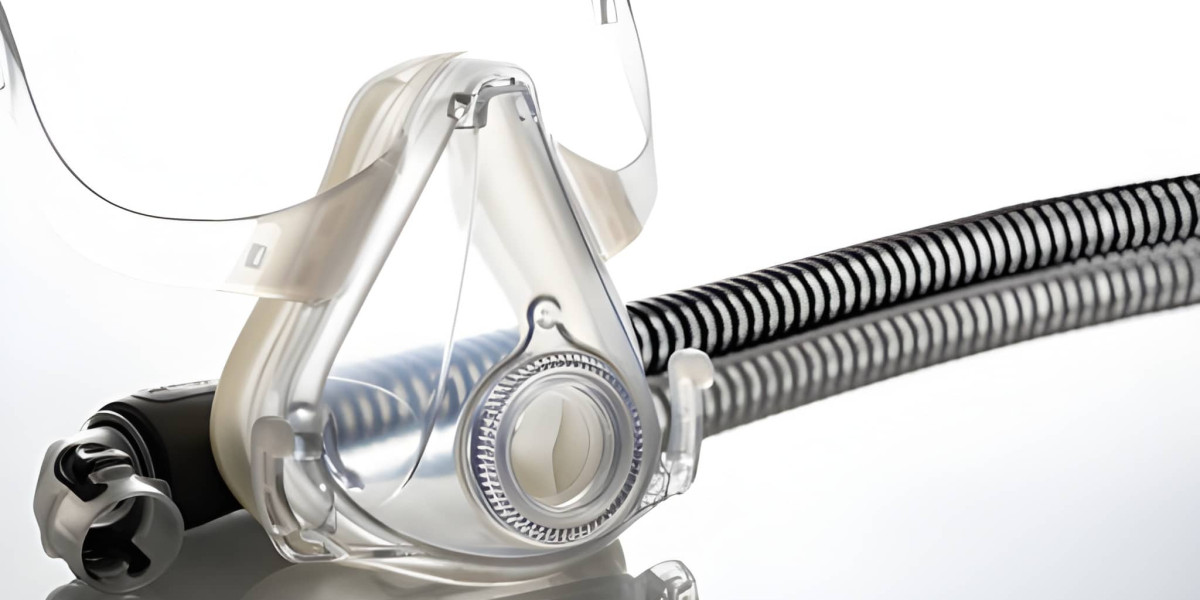

The Positive Airway Pressure Device plays a central role in addressing sleep-related breathing disorders and selected chronic respiratory conditions. By supplying a controlled stream of pressurized air through a mask interface, these devices prevent airway obstruction during sleep and support stable oxygen levels. Growing awareness of sleep apnea, obesity-linked breathing disturbances, and the long-term health risks associated with poor sleep has reinforced the importance of this therapy. Today, positive airway pressure treatment is recognized not only for improving nightly breathing but also for its contribution to long-term health outcomes and reduced strain on healthcare systems.
Broadening Clinical Applications and Outcomes
While obstructive sleep apnea remains the most common indication, positive airway pressure therapy is used across a wider spectrum of conditions. Individuals with central sleep apnea, respiratory overlap syndromes involving chronic obstructive pulmonary disease, and certain neuromuscular disorders may also benefit from carefully adjusted airway pressure. The therapy maintains airway stability, reduces breathing interruptions, and supports healthier sleep cycles. With regular use, patients often experience improved daytime energy, sharper cognitive performance, and better cardiovascular stability, demonstrating the broad therapeutic value of this approach.
Innovation in Design and Performance
Advances in Positive Airway Pressure Device Technology have significantly reshaped patient experience and treatment effectiveness. Earlier devices were frequently associated with excessive noise, bulky designs, and limited comfort. Modern systems are quieter, more compact, and incorporate features such as automated pressure adjustments, heated humidification, and ergonomically optimized masks. Digital connectivity now allows clinicians to monitor usage data remotely and tailor therapy in real time, transforming treatment into a more personalized and patient-engaged process.
Patient Comfort and Long-Term Adherence
Despite clear clinical benefits, consistent use can be challenging for some patients. Discomfort, mask leakage, pressure sensitivity, and disruption to bedtime routines may interfere with adherence. Structured education, early follow-up, and responsive support are essential in overcoming these barriers. When patients understand how therapy improves their overall health and receive prompt adjustments for comfort issues, long-term compliance improves. Gradually, positive airway pressure therapy is being reframed as a routine part of preventive care rather than a temporary or burdensome intervention.
Market Structure and Competitive Trends
The Positive Airway Pressure Device Market reflects an active and competitive landscape shaped by rising clinical demand and rapid innovation. Established manufacturers continue to expand their portfolios, while newer entrants focus on niche segments such as portable devices and digitally integrated solutions. Competitive pressures have encouraged faster product development, diversified pricing strategies, and broader geographic reach. Regulatory requirements and reimbursement frameworks remain influential factors in determining market access and adoption rates.
Research Direction and Emerging Solutions
Ongoing development efforts are strengthening the Positive Airway Pressure Device Pipeline, with research centered on enhancing comfort, adaptability, and clinical impact. New concepts include intelligent algorithms that respond dynamically to breathing patterns, innovative materials that improve mask fit, and integration with comprehensive sleep monitoring platforms. Researchers are also exploring combination therapies that pair positive airway pressure treatment with complementary interventions, aiming to deliver more holistic and individualized care.
Economic Scope and Accessibility Factors
Evaluation of the Positive Airway Pressure Device Market Size highlights the expanding economic footprint of this therapy area. Rising diagnosis rates, aging populations, and increasing public awareness of sleep health continue to fuel demand. At the same time, affordability and equitable access remain important considerations. Manufacturers and healthcare systems are focusing on cost-effective designs, improved reimbursement pathways, and expanded home-care models to ensure broader availability across diverse populations.
Growth Expectations and Industry Outlook
Insights from the Positive Airway Pressure Device Market Forecast indicate steady growth driven by technological advancement, earlier detection of sleep disorders, and deeper integration of digital health solutions. The growing use of telemedicine and remote monitoring is expected to further embed these devices into standard care pathways. As healthcare systems increasingly emphasize preventive and value-based care, demand for effective, noninvasive respiratory therapies is expected to remain strong.
Conclusion
Positive airway pressure devices have evolved into sophisticated therapeutic tools that extend well beyond symptom management. Their ability to improve sleep quality, support long-term health, and adapt to individual patient needs positions them as an essential element of contemporary sleep and respiratory care. Continued innovation and rising awareness are likely to further strengthen their role in improving patient outcomes worldwide.
Latest Reports by DelveInsight:
herpes zoster market | plasmodium vivax malaria market | pigment epithelial detachment market | surgical stapling devices market | adhd market | spinal implants market | spinal trauma devices market | surgical sealant market | fabry disease market | attention deficit hyperactivity disorder adhd market | b cell lymphomas market | cart pipeline | etanercept biosimilar insights | immune thrombocytopenia market | intratumoral cancer therapies market | joint reconstruction devices market | knee osteoarthiritis market | liver fibrosis market | muscle spasticity market | neurofibromatosis type 2 market | neuromyelitis optica spectrum disorder nmosd market | paroxysmal nocturnal hemoglobinuria market | postpartum depression market | prostate cancer market | recurrent herpes labialis market | sarcopenia market | sepsis market | spinal cord stimulator market | stress urinary incontinence market | surgical bleeding market | tcr therapy market | ureteroscope market | vascular access devices market | venous ulcer market | vitreoretinal surgery devices market | vulvovaginal candidiasis market | abdominal aortic aneurysm market | acute myeloid leukemia market | adeno associated viruses aav gene therapy market | adult t-cell leukemia market | adult t-cell leukemia-lymphoma epidemiology forecast | advanced liver cancer market | aids related kaposis sarcoma market | al amyloidosis market | alcoholic hepatitis market | alkaptonuria market | allergic contact dermatitis market | alpha thalassemia market | anastomosis device market
About DelveInsight
DelveInsight is a leading Business Consultant, and Market Research firm focused exclusively on life sciences. It supports Pharma companies by providing comprehensive end-to-end solutions to improve their performance. It also offers Healthcare Consulting Services, which benefits in market analysis to accelerate the business growth and overcome challenges with a practical approach.
Media Contact
Company Name: DelveInsight Business Research LLP
Contact Person: Abhishek kumar
Email: [email protected]
City: Albany
State: New York
Country: United States
Website: https://www.delveinsight.com