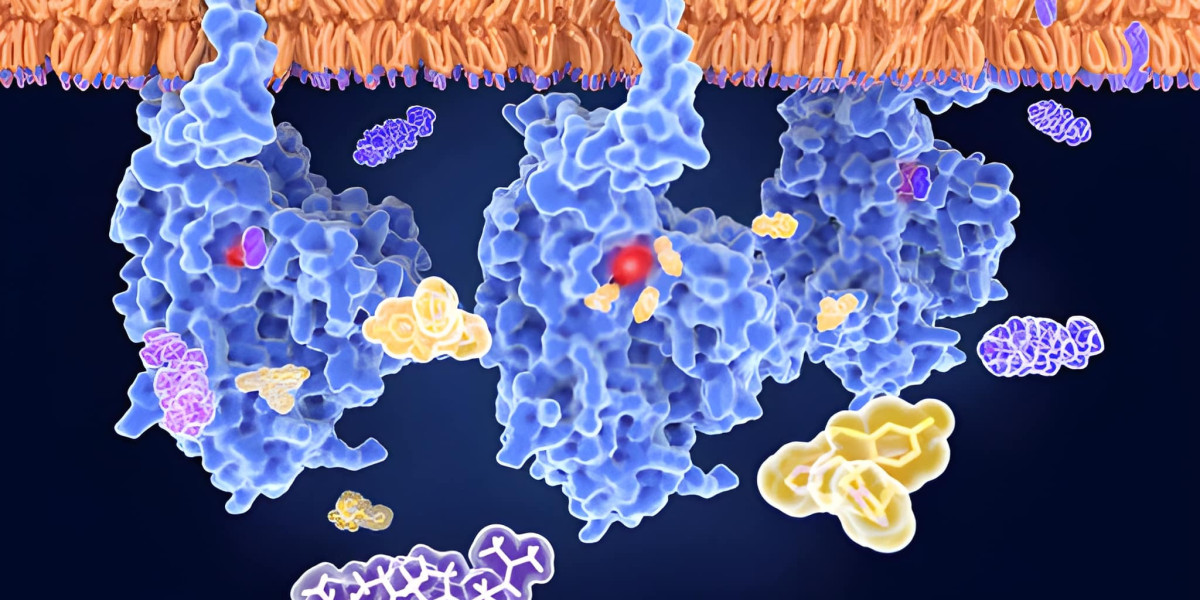

Overview of VMAT2 Inhibitors
Vesicular Monoamine Transporter 2 inhibitors are an innovative class of neuroactive agents that regulate the storage and release of neurotransmitters such as dopamine, serotonin, and norepinephrine. By acting on presynaptic transporters instead of postsynaptic receptors, these inhibitors offer a unique therapeutic approach for movement and neuropsychiatric disorders. The growing attention in this field is reflected in the VMAT2 Inhibitor Market, driven by increasing research, clinical development, and investment in targeted therapies.
Biological Role of VMAT2
VMAT2 is a transporter located on synaptic vesicles within monoaminergic neurons. Its role is to package monoamines into vesicles, protecting them from enzymatic degradation and preparing them for release into the synapse. Impaired VMAT2 function causes monoamines to accumulate in the cytosol, leading to decreased synaptic release and disrupted neuronal communication, which underlines the importance of selective pharmacologic inhibition.
Mechanism of Action
VMAT2 inhibitors work by preventing the transporter from loading neurotransmitters into vesicles. This action reduces synaptic dopamine, serotonin, and norepinephrine in a controlled manner, unlike receptor blockers that act downstream. By modulating neurotransmission upstream, VMAT2 inhibitors provide sustained therapeutic effects, particularly in conditions associated with excessive dopaminergic activity.
Applications in Movement Disorders
These inhibitors are particularly effective in treating hyperkinetic movement disorders, including tardive dyskinesia and Huntington’s disease-related chorea. By carefully reducing dopamine levels, VMAT2 inhibitors help alleviate involuntary movements while preserving normal motor function. Clinical studies show meaningful symptom improvement with a generally tolerable safety profile when used under supervision.
Broader Neurological and Psychiatric Uses
VMAT2 inhibitors are also being explored for psychiatric and neurological disorders influenced by dysregulated monoamine signaling. Conditions such as mood disorders, psychosis, and impulse control disorders may benefit from presynaptic modulation. Research is ongoing to refine these applications, often integrating VMAT2 inhibition with other therapies for more comprehensive symptom management.
Development and Clinical Research
The field is supported by numerous VMAT2 Inhibitor Clinical Trials evaluating safety, efficacy, and expanded indications. Leading VMAT2 Inhibitor Companies have developed multiple VMAT2 Inhibitor Drugs, each with optimized pharmacokinetics and clinical profiles tailored for specific neurological and psychiatric conditions.
Safety and Monitoring
While effective, VMAT2 inhibitors require careful clinical oversight. Side effects may include fatigue, sedation, or mood disturbances, while serious adverse events like parkinsonism or depression may occur in vulnerable patients. Appropriate dosing, monitoring, and patient selection are essential to maximize therapeutic benefits.
Future Directions
Emerging research aims to improve VMAT2 inhibitor selectivity and efficacy, with potential developments in combining these drugs with receptor modulators or non-drug interventions. Advances in molecular design, pharmacology, and clinical trial strategies are expected to broaden the therapeutic applications of VMAT2 inhibitors in neurology and psychiatry.
Conclusion
VMAT2 inhibitors provide a distinct method of presynaptic neurotransmitter regulation, offering durable symptom control in movement and neuropsychiatric disorders. Continued innovation, clinical research, and targeted drug development will likely expand their role in managing disorders of monoaminergic dysregulation, solidifying their position in modern neurotherapeutics.
Latest Reports by DelveInsight:
chimeric antigen receptor t cell immunotherapy market | congenital diarrheal disorders market | congenital hyperinsulinism market | coronary angioplasty market | coxsackievirus infections market | developmental and epileptic encephalopathies market | diabetes insipidus market | diabetic eye disease market | diabetic neuropathy market | eosinophilic asthma market | eosinophilic granulomatosis with polyangiitis market | erosive esophagitis market | exanthema market | familial adenomatous polyposis market | familial amyloid polyneuropathy market | familial hypercholesterolemia market | filariasis market | fucosidosis market | galactosemia market | gall bladder cancer market | gastritis market | gastroenteropancreatic neuroendocrine tumors market | gastroesophageal junction adenocarcinoma market | gaucher disease market | global kinase inhibitor market | gluten sensitivity market | gouty arthritis market | growth hormone deficiency market | hepatitis b virus market | hepatocellular carcinoma market | her2+ directed therapies market | her2-positive early breast cancer market | hereditary spastic paraplegias market | herpes simplex virus market | hpv-induced cancers market | human papilomavirus market | huntington's disease market | hypoxia market | idiopathic pulmonary fibrosis market | immune thrombocytopenic purpura market
About DelveInsight
DelveInsight is a leading Business Consultant, and Market Research firm focused exclusively on life sciences. It supports Pharma companies by providing comprehensive end-to-end solutions to improve their performance. It also offers Healthcare Consulting Services, which benefits in market analysis to accelerate the business growth and overcome challenges with a practical approach.
Media Contact
Company Name: DelveInsight Business Research LLP
Contact Person: Abhishek kumar
Email: [email protected]
City: Albany
State: New York
Country: United States
Website: https://www.delveinsight.com