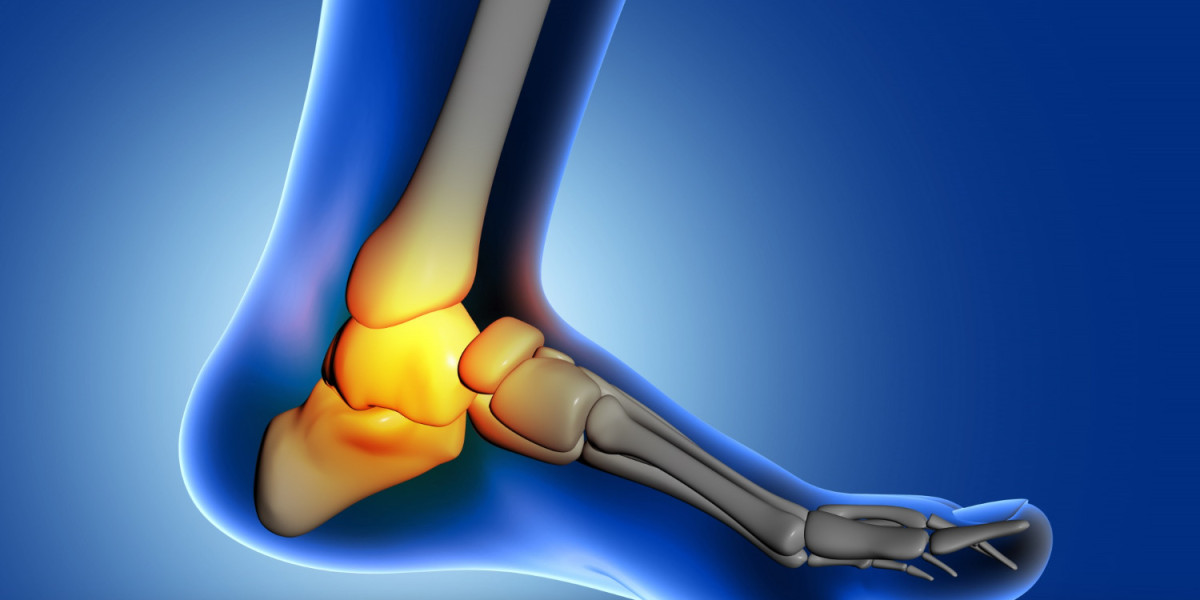

Osteomyelitis is a severe infection affecting bone tissue that can occur in people of any age group. It develops when pathogenic microorganisms, most commonly bacteria and occasionally fungi, infiltrate the bone via the bloodstream, surgical procedures, traumatic injuries, or extension from nearby infected areas. The disease may present suddenly or persist over time, with chronic forms often complicated by ongoing inflammation and bone destruction. Growing recognition of its long-term health impact, along with progress in diagnostic tools and therapies, has increased attention from healthcare systems and industry participants, a focus frequently discussed in relation to the Osteomyelitis Market as stakeholders aim to improve patient outcomes and address treatment gaps.
Patterns of Occurrence and Biological Processes
The incidence and underlying causes of osteomyelitis vary according to patient age, geographic region, and predisposing conditions. In children, infection commonly spreads through the bloodstream and affects long bones, whereas in adults it is often linked to fractures, surgical implants, or complications of diabetes such as foot ulcers. Staphylococcus aureus remains the most frequently identified pathogen, although infections involving multiple organisms are increasingly reported, particularly in persistent disease. Expanding scientific knowledge in microbiology and imaging has clarified these patterns, and this information is systematically evaluated through Osteomyelitis Market Research to understand how clinical findings drive the development of new drugs, devices, and diagnostic technologies.
From a mechanistic standpoint, the disease begins when microorganisms attach to bone surfaces or implanted materials and form protective biofilms. These structures hinder immune clearance and reduce antibiotic effectiveness, while inflammation disrupts blood flow and leads to areas of dead bone that sustain infection. Such processes explain the need for prolonged therapy and, in many cases, surgical management, as well as the ongoing search for treatments that can overcome biofilm resistance.
Symptoms and Diagnostic Evaluation
Clinical manifestations of osteomyelitis differ depending on disease stage and patient health status. Acute infections often cause localized pain, swelling, redness, fever, and impaired movement, while chronic cases may present with persistent discomfort, draining tracts, or wounds that do not heal. Diagnosis requires careful clinical assessment supported by laboratory indicators of inflammation and advanced imaging techniques. Magnetic resonance imaging is particularly sensitive for early detection, with computed tomography and nuclear imaging aiding evaluation in complex situations. Aligning diagnostic strategies with clinical decision-making provides valuable Osteomyelitis Market Insight by highlighting opportunities for faster, more accurate, and less invasive diagnostic solutions.
Confirmation of the causative organism through bone biopsy remains essential for selecting targeted antimicrobial therapy. Delays or inappropriate empirical treatment can increase the likelihood of chronic infection and relapse. As healthcare increasingly adopts precision-based approaches, rapid molecular diagnostics and pathogen identification methods are gaining interest for their potential to shorten time to effective treatment.
Treatment Approaches and Care Evolution
Effective management of osteomyelitis typically involves a multidisciplinary team approach. Antibiotic therapy is the foundation of treatment and is often initiated intravenously before transitioning to oral medications when clinically appropriate. Surgical intervention is frequently required to remove infected or necrotic tissue, drain abscesses, and stabilize bone structures. Innovations such as localized antibiotic delivery systems enable high concentrations of medication at the infection site while limiting systemic side effects. These advances reflect broader Osteomyelitis Market Trends toward minimally invasive procedures, outpatient treatment models, and individualized care strategies.
Supportive therapies, including negative pressure wound therapy and hyperbaric oxygen treatment, may enhance healing in selected patients, particularly those with poor blood supply. Despite progress, recurrence and treatment failure remain concerns, emphasizing the importance of adherence to therapy, management of comorbidities, and access to specialized medical care.
Economic Impact and System-Level Burden
Osteomyelitis places a significant strain on healthcare systems due to extended hospital stays, repeated surgical procedures, long-term antibiotic use, and reduced productivity. Chronic disease, especially when associated with diabetes or prosthetic joints, can result in long-term disability or limb loss. Assessing these direct and indirect costs is essential for healthcare planning and policy development and is commonly expressed through evaluations of Osteomyelitis Market Size, which represents investment across diagnostics, treatments, and supportive services.
Early detection and effective intervention can significantly lower overall costs by preventing progression to chronic disease. Preventive measures, including stringent infection control practices and optimized chronic wound care, offer opportunities for long-term savings as aging populations and rates of diabetes and orthopedic procedures continue to rise.
Innovation and Future Perspectives
Future progress in osteomyelitis care is expected to be driven by advances in biotechnology, materials engineering, and digital health solutions. Research is underway into new antimicrobial agents, therapies that disrupt biofilms, and immune-targeted treatments. Improvements in implant design and protective coatings aim to reduce infection risk, while regenerative techniques seek to restore bone following surgical debridement. These developments inform expectations outlined in the Osteomyelitis Market Forecast as emerging technologies and therapies are anticipated to reshape standards of care.
The integration of digital tools such as artificial intelligence–assisted imaging and remote monitoring systems may further enhance treatment effectiveness. Personalized medicine approaches that incorporate genetic, microbial, and environmental factors are also gaining traction, highlighting the importance of collaboration between researchers, clinicians, and industry stakeholders.
Conclusion
Osteomyelitis remains a challenging condition that requires timely diagnosis, precise treatment, and coordinated multidisciplinary management. While advances in medical science and technology have improved understanding and care options, preventing chronic infection and recurrence continues to be a key objective. Ongoing innovation, research collaboration, and healthcare system optimization are essential to reducing the burden of this serious bone infection and improving patient quality of life
Latest Reports by DelveInsight:
Convulsive Seizures Market | Coronary Angioplasty Market | Coronary Microvascular Dysfunction Market | Coronary Stents Market | Coronary Stents Pipeline | Cranial & Auricular Electrotherapy Stimulation Devices Market | CXCR Inhibitors Market | Cystic Fibrosis Market Companies | Cystinuria Market | Diabetic Retinopathy Market | Drug-Resistant Epilepsy Market | Elastomeric Pump Market | Embolotherapy Market | Endoscopic Ultrasound Market | Eosinophilic Disorder Market | Epidemic Parotitis Market | Erosive Hand Osteoarthritis Market | Etanercept Biosimilar Insights | Exosomes Pipeline | External Defibrillators Market | Fabry Disease Market | Familial Adenomatous Polyposis Market | Focal Segmental Glomerulosclerosis Market | Friedreich’s Ataxia Market | Frontotemporal Dementia Pipeline | Gastritis Market | Gastroesophageal Junction Adenocarcinoma Market | Geographic Atrophy Market | GIST Market | Glaucoma Market | Glioblastoma Multiforme Market | Graves Disease Market | Hand Foot Syndrome Market | Hay Fever Conjunctivitis Market | HDAC Inhibitors Market | Hepatic Cirrhosis Market | Hepatic Encephalopathy Market | Hereditary Deafness Medical Device Market | Herpes Labialis Market | Hidradenitis Suppurativa Market | Hunter Syndrome Market | Hydrocephalus Treatment Market | Hyperphosphatemia Market | Hypertriglyceridemia Market | Hypophosphatasia Market | Immune Checkpoints Activators Market | Immune Thrombocytopenia Market | Impetigo Market | Indwelling Catheters Market
About DelveInsight
DelveInsight is a leading Business Consultant, and Market Research firm focused exclusively on life sciences. It supports Pharma companies by providing comprehensive end-to-end solutions to improve their performance. It also offers Healthcare Consulting Services, which benefits in market analysis to accelerate the business growth and overcome challenges with a practical approach.
Media Contact
Company Name: DelveInsight Business Research LLP
Contact Person: Abhishek kumar
Email: [email protected]
City: Albany
State: New York
Country: United States
Website: https://www.delveinsight.com