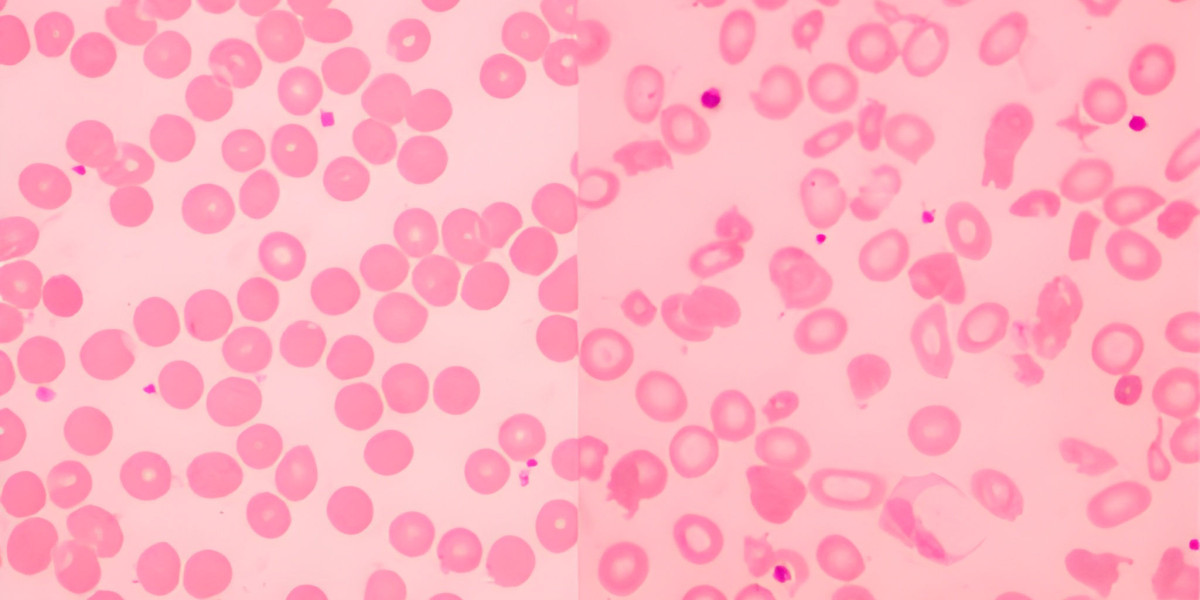

Defining Warm Autoimmune Hemolytic Anemia
Warm autoimmune hemolytic anemia (WAIHA) is the most common form of autoimmune hemolytic anemia, a rare condition where the immune system destroys red blood cells at body temperature. Recognizing the different types of hemolytic anemia, including cold AIHA, mixed AIHA, and secondary hemolytic anemias, is essential for accurate diagnosis and effective treatment planning.
Epidemiology and Diagnosis
WAIHA accounts for nearly 70–80% of all autoimmune hemolytic anemia cases, and although it can occur at any age, it is more frequently observed in adults with a slight female predominance. Common symptoms include fatigue, pallor, jaundice, and shortness of breath. Diagnostic improvements, such as Coombs testing using WAIHA serum, have enhanced case detection and helped clarify prevalence rates.
Treatment Approaches and Prognosis
Management typically begins with corticosteroids, followed by rituximab, immunosuppressants, or splenectomy when needed. Despite these options, treatment response can vary, and relapses are common, influencing the warm autoimmune hemolytic anemia prognosis. These limitations highlight the need for more targeted and durable therapeutic solutions.
Market Dynamics and Emerging Therapies
The WAIHA market is witnessing growth due to active pipeline development and biologic innovations. Major pharmaceutical companies, including Sanofi warm autoimmune hemolytic anemia programs, are focusing on developing therapies aimed at specific disease mechanisms. Improved understanding of warm versus cold AIHA and the introduction of targeted therapies are expected to refine clinical approaches and expand treatment options.
Looking Ahead
With ongoing research, better diagnostics, and novel treatment strategies, the WAIHA landscape is moving toward more personalized and effective care. Patients can anticipate improved management and outcomes as the market evolves and new therapies become available.
Latest Reports Offered By DelveInsight:
Convulsive Seizures Market | Coronary Angioplasty Market | Coronary Microvascular Dysfunction Market | Coronary Stents Market | Coronary Stents Pipeline | Cranial & Auricular Electrotherapy Stimulation Devices Market | CXCR Inhibitors Market | Cystic Fibrosis Market Companies | Cystinuria Market | Diabetic Retinopathy Market | Drug-Resistant Epilepsy Market | Elastomeric Pump Market | Embolotherapy Market | Endoscopic Ultrasound Market | Eosinophilic Disorder Market | Epidemic Parotitis Market | Erosive Hand Osteoarthritis Market | Etanercept Biosimilar Insights | Exosomes Pipeline | External Defibrillators Market | Fabry Disease Market | Familial Adenomatous Polyposis Market | Focal Segmental Glomerulosclerosis Market | Friedreich’s Ataxia Market | Frontotemporal Dementia Pipeline | Gastritis Market | Gastroesophageal Junction Adenocarcinoma Market | Geographic Atrophy Market | GIST Market | Glaucoma Market | Glioblastoma Multiforme Market | Graves Disease Market | Hand Foot Syndrome Market | Hay Fever Conjunctivitis Market | HDAC Inhibitors Market | Hepatic Cirrhosis Market | Hepatic Encephalopathy Market | Hereditary Deafness Medical Device Market | Herpes Labialis Market | Hidradenitis Suppurativa Market | Hunter Syndrome Market | Hydrocephalus Treatment Market | Hyperphosphatemia Market | Hypertriglyceridemia Market | Hypophosphatasia Market | Immune Checkpoints Activators Market | Immune Thrombocytopenia Market | Impetigo Market | Indwelling Catheters Market
Name : Abhishek kumar
Email : [email protected]