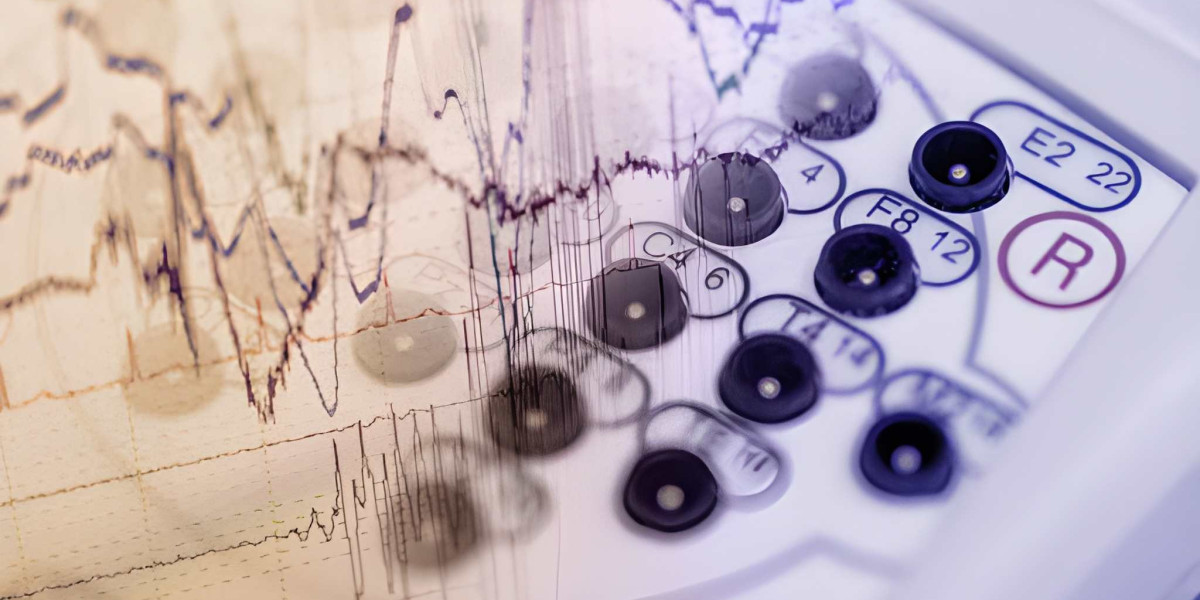

Electroencephelographs have become indispensable tools in neuroscience, enabling precise monitoring of the brain’s electrical activity. By capturing the tiny signals generated by neurons, these devices assist clinicians in diagnosing conditions such as epilepsy, sleep disorders, and other neurological abnormalities. Continuous technological improvements in portability, accuracy, and user experience have made EEG systems essential in both hospital and research environments worldwide.
How Electroencephelographs Operate
Electroencephelographs detect neuronal electrical impulses through electrodes positioned on the scalp. These signals are amplified and translated into waveforms, representing different brain states like alertness, relaxation, or sleep. Delta, theta, alpha, and beta waves provide insight into specific physiological and mental conditions. Neurologists analyze these patterns to identify anomalies associated with epilepsy, tumors, encephalopathies, and degenerative disorders. Beyond diagnostics, EEG plays a crucial role in cognitive neuroscience, brain-computer interface research, and experimental neurology.
Clinical Significance and Applications
The clinical utility of EEG cannot be overstated. EEG is vital for detecting seizure activity that conventional imaging may miss. It is also used to evaluate patients with sleep disorders, coma, or unexplained cognitive decline. Continuous monitoring in intensive care units provides real-time neurological data to guide interventions. In pediatric neurology, EEG supports the assessment of developmental and cognitive disorders, helping clinicians design individualized treatment strategies.
Insights from Electroencephelographs Epidemiology
Exploring Electroencephelographs Epidemiology helps understand the global burden of neurological conditions requiring EEG diagnostics. Epilepsy alone impacts nearly 50 million people worldwide, making EEG a critical diagnostic resource. The increasing prevalence of sleep disorders, neurodegenerative conditions, and brain injuries has further fueled demand. Age, genetic predisposition, and environmental factors influence the likelihood of EEG-detectable abnormalities, informing healthcare planning and resource allocation.
Technological Innovations
Recent developments in EEG technology have made devices more compact, portable, and user-friendly. High-density systems offer higher resolution, and integration with MRI or fMRI provides a more comprehensive view of brain activity. Machine learning and artificial intelligence now enable automated detection of abnormalities, reducing diagnostic errors and speeding up analysis. These innovations have expanded EEG use from clinical monitoring to research applications, neurofeedback, and cognitive enhancement programs.
Trends in the Electroencephelographs Market
The Electroencephelographs Market is experiencing strong growth, driven by rising neurological disorder prevalence, technological advances, and increasing clinician awareness. North America and Europe remain dominant markets due to established healthcare systems, while Asia-Pacific is emerging rapidly with rising investments in healthcare and increased demand for neurological diagnostics. Companies are prioritizing portable and wearable EEG solutions, and partnerships between tech firms and medical institutions are accelerating innovation.
Advancements in the Research Pipeline
The Electroencephelographs Pipeline reflects ongoing research aimed at improving device performance and expanding applications. New sensor and electrode designs are improving signal clarity and patient comfort. Experimental uses include early detection of neurodegenerative diseases, brain-computer interfaces for communication in paralyzed patients, and predictive neurology algorithms. This active pipeline highlights the potential of EEG to move beyond diagnostics into therapeutic and cognitive enhancement roles.
Challenges and Limitations
Despite their advantages, EEG systems face challenges. Signal quality can be compromised by patient movement, electrode placement, or environmental interference. Interpretation requires expertise, and subtle abnormalities may be missed. Portable or wearable devices may offer convenience but sometimes sacrifice accuracy. Ethical considerations also arise in research applications, particularly in cognitive monitoring. Continuous improvements, standardized protocols, and clinician training are essential to maximize EEG effectiveness.
Future Directions
The future of EEG is promising, with miniaturized, wireless, and user-friendly designs improving accessibility. Integration with AI and machine learning will enhance real-time diagnostics and support personalized neurological care. Emerging applications in mental health, neurorehabilitation, and cognitive enhancement will expand EEG’s impact. Collaboration between neuroscientists, engineers, and clinicians will continue to drive innovation, ensuring EEG technology remains central to neurological research and patient care.
Latest Reports by DelveInsight:
herpes zoster market | plasmodium vivax malaria market | pigment epithelial detachment market | surgical stapling devices market | adhd market | spinal implants market | spinal trauma devices market | surgical sealant market | fabry disease market | attention deficit hyperactivity disorder adhd market | b cell lymphomas market | cart pipeline | etanercept biosimilar insights | immune thrombocytopenia market | intratumoral cancer therapies market | joint reconstruction devices market | knee osteoarthiritis market | liver fibrosis market | muscle spasticity market | neurofibromatosis type 2 market | neuromyelitis optica spectrum disorder nmosd market | paroxysmal nocturnal hemoglobinuria market | postpartum depression market | prostate cancer market | recurrent herpes labialis market | sarcopenia market | sepsis market | spinal cord stimulator market | stress urinary incontinence market | surgical bleeding market | tcr therapy market | ureteroscope market | vascular access devices market | venous ulcer market | vitreoretinal surgery devices market | vulvovaginal candidiasis market | abdominal aortic aneurysm market | acute myeloid leukemia market | adeno associated viruses aav gene therapy market | adult t-cell leukemia market | adult t-cell leukemia-lymphoma epidemiology forecast | advanced liver cancer market | aids related kaposis sarcoma market | al amyloidosis market | alcoholic hepatitis market | alkaptonuria market | allergic contact dermatitis market | alpha thalassemia market | anastomosis device market
About DelveInsight
DelveInsight is a leading Business Consultant, and Market Research firm focused exclusively on life sciences. It supports Pharma companies by providing comprehensive end-to-end solutions to improve their performance. It also offers Healthcare Consulting Services, which benefits in market analysis to accelerate the business growth and overcome challenges with a practical approach.
Media Contact
Company Name: DelveInsight Business Research LLP
Contact Person: Abhishek kumar
Email: [email protected]
City: Albany
State: New York
Country: United States
Website: https://www.delveinsight.com