
Healthcare facilities worldwide are increasingly turning to automation to enhance medication safety and streamline pharmacy workflows. One of the most notable innovations is the development of Automated Compounding Devices Market solutions, which prepare sterile intravenous medications with precision and consistency. By reducing the risk of contamination, minimizing human error, and lowering labor demands, these systems support safer and more efficient drug preparation. Rising patient volumes, complex therapies, and strict regulatory requirements are driving the adoption of automated solutions, making them indispensable tools in modern pharmacy operations.
How Automated Compounding Devices Operate
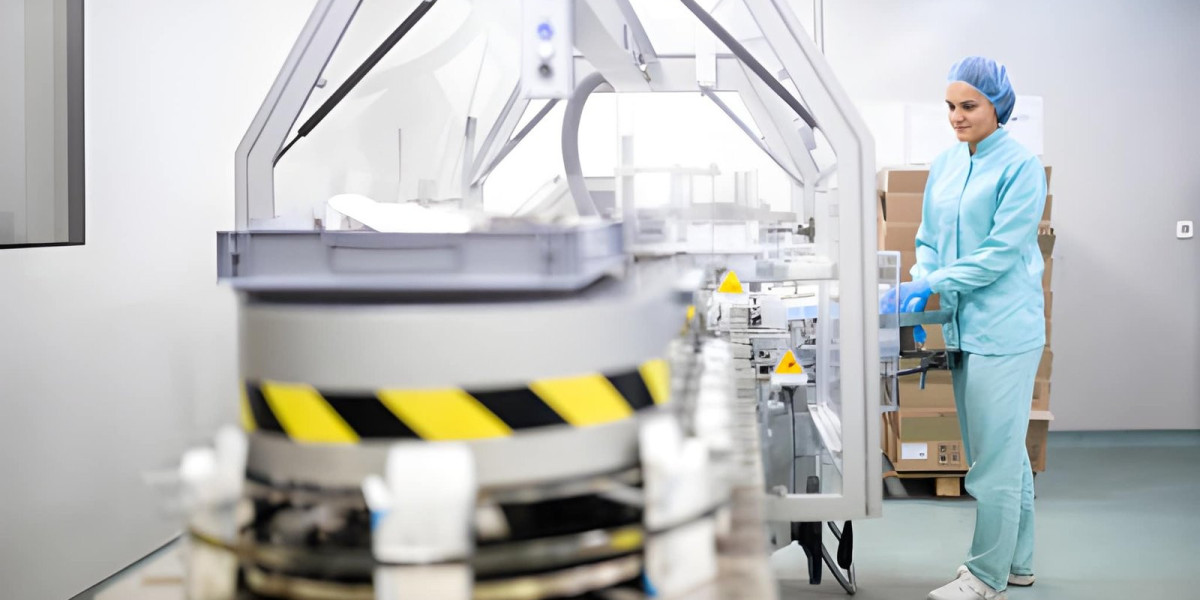
The Automated Compounding Devices Mechanism combines robotics, barcode scanning, gravimetric measurement, and sterile airflow control to ensure accurate medication preparation. Calibrated pumps and precision-controlled syringes transfer drugs from vials into infusion bags or syringes, guided by software that cross-checks prescriptions. Each step, from verifying the drug identity to measuring volume and documenting the process, is monitored for quality and traceability. HEPA filtration maintains sterility, while sensors track weight and volume for precise dosing. This controlled process reduces variability, enhances compliance documentation, and ensures reliable medication delivery to patients.
Significance in Clinical Practice
Hospitals, oncology centers, and infusion clinics rely on these systems as essential Automated Compounding Devices Medical Devices that directly impact patient outcomes. Sterile preparations, such as chemotherapy, parenteral nutrition, and critical care medications, require exact concentrations to avoid underdosing or toxicity. Automated compounding minimizes staff exposure to hazardous drugs and protects immunocompromised patients from infections. In settings like neonatal and intensive care units, where even minor dosing errors can be dangerous, automation guarantees accurate and reproducible medication delivery. These devices also help meet regulatory standards for sterile compounding, including documentation, audit trails, and environmental monitoring.
Innovators Driving Progress
Leading manufacturers and specialized developers are continuously enhancing these technologies. Several Automated Compounding Devices Companies are integrating artificial intelligence, real-time analytics, and connectivity with hospital information systems to improve workflow efficiency. Some systems accept electronic prescriptions directly, reducing transcription errors, while others feature remote monitoring, automated labeling, and photo documentation to ensure traceability. Research focuses on faster preparation times, better contamination control, and compact designs suitable for smaller facilities. Innovation in this market balances safety, operational efficiency, and cost-effectiveness.
Market Trends and Expansion
The global need for sterile preparations, increasing chronic disease prevalence, and rising chemotherapy usage are driving growth in the Automated Compounding Devices Market Size. Automation helps healthcare providers reduce medication waste, prevent dosing errors, and maintain cost-effective operations. Regulatory emphasis on sterile compounding practices further accelerates adoption. Even in emerging economies, improving healthcare infrastructure supports the implementation of automated systems. While initial investment costs can be high, long-term savings and enhanced patient safety make these devices a strategic solution for modern healthcare facilities.
Future Outlook
As personalized medicine becomes more widespread, automation will play an increasingly central role. The Automated Compounding Devices Market Forecast predicts continued growth driven by biologics, home infusion services, and complex therapy requirements. Integration with digital health platforms may allow automatic verification and tracking from prescription to administration. Centralized automated compounding facilities could supply multiple hospitals, operating continuously to meet demand. Advances in robotics will facilitate individualized dosing and complex drug combinations, while user-friendly interfaces and training programs will expand access to smaller clinics. Over time, automated compounding is expected to become a standard feature in hospital pharmacy design rather than a specialized upgrade.
Conclusion
Automated compounding devices are reshaping sterile medication preparation. By combining robotics, sterile environments, and digital validation, they address challenges in accuracy, contamination prevention, and staff safety. Their adoption highlights healthcare’s focus on quality assurance and patient protection. With ongoing innovation, these systems will allow pharmacists to focus more on clinical care and patient management while ensuring precise and reliable medication preparation.
Latest Reports by DelveInsight:
herpes zoster market | plasmodium vivax malaria market | pigment epithelial detachment market | surgical stapling devices market | adhd market | spinal implants market | spinal trauma devices market | surgical sealant market | fabry disease market | attention deficit hyperactivity disorder adhd market | b cell lymphomas market | cart pipeline | etanercept biosimilar insights | immune thrombocytopenia market | intratumoral cancer therapies market | joint reconstruction devices market | knee osteoarthiritis market | liver fibrosis market | muscle spasticity market | neurofibromatosis type 2 market | neuromyelitis optica spectrum disorder nmosd market | paroxysmal nocturnal hemoglobinuria market | postpartum depression market | prostate cancer market | recurrent herpes labialis market | sarcopenia market | sepsis market | spinal cord stimulator market | stress urinary incontinence market | surgical bleeding market | tcr therapy market | ureteroscope market | vascular access devices market | venous ulcer market | vitreoretinal surgery devices market | vulvovaginal candidiasis market | abdominal aortic aneurysm market | acute myeloid leukemia market | adeno associated viruses aav gene therapy market | adult t-cell leukemia market | adult t-cell leukemia-lymphoma epidemiology forecast | advanced liver cancer market | aids related kaposis sarcoma market | al amyloidosis market | alcoholic hepatitis market | alkaptonuria market | allergic contact dermatitis market | alpha thalassemia market | anastomosis device market
About DelveInsight
DelveInsight is a leading Business Consultant, and Market Research firm focused exclusively on life sciences. It supports Pharma companies by providing comprehensive end-to-end solutions to improve their performance. It also offers Healthcare Consulting Services, which benefits in market analysis to accelerate the business growth and overcome challenges with a practical approach.
Media Contact
Company Name: DelveInsight Business Research LLP
Contact Person: Abhishek kumar
Email: [email protected]
City: Albany
State: New York
Country: United States
Website: https://www.delveinsight.com