
Biliary stents have emerged as a critical solution in modern gastroenterology and hepatology, offering relief for patients with obstructive bile duct conditions. The increasing incidence of bile duct blockages has fueled expansion in the Biliary Stents Market, driven by improvements in stent design and the growing preference for minimally invasive procedures. These devices help restore bile flow, prevent complications, and enhance patient recovery, marking a significant step forward in medical technology.
Understanding Biliary Stents
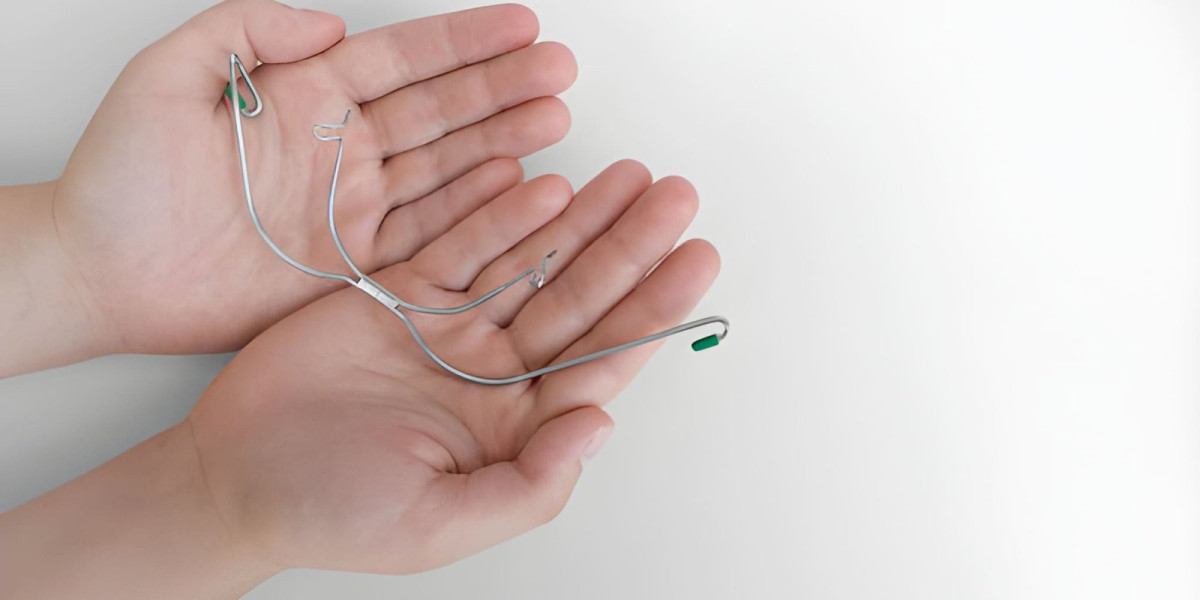
Biliary stents are small, tubular devices inserted into the bile duct to relieve or prevent obstructions caused by tumors, strictures, or gallstones. Their primary function is to maintain bile duct patency, ensuring proper bile flow from the liver to the small intestine. Depending on the patient’s condition, stents may be temporary or permanent, and they can be manufactured from either plastic or metal, each offering unique benefits and challenges.
How Biliary Stents Mechanism Operates
The Biliary Stents Mechanism involves inserting the stent via an endoscopic or percutaneous approach. Once deployed, it exerts gentle pressure on the bile duct walls to keep the passage open. Self-expandable stents automatically adjust to the duct’s diameter, reducing the risk of migration and improving patient comfort. Besides restoring bile flow, these stents also help prevent recurrent blockages and relieve symptoms like jaundice and abdominal pain.
Varieties of Biliary Stents
Biliary stents are generally categorized into plastic and metal types. Plastic stents are economical and easy to replace but have a shorter lifespan. Metal stents, especially self-expandable metallic stents (SEMS), provide greater durability and resistance to occlusion, making them suitable for long-term use. Innovations such as drug-eluting stents release therapeutic agents to reduce tumor growth and lower the risk of restenosis. Selection of stent type depends on patient condition, physician preference, and expected duration of use.
Clinical Use of Biliary Stents
Biliary stents play a vital role in managing both benign and malignant biliary disorders. For patients with cancers like cholangiocarcinoma or pancreatic tumors, stents relieve jaundice and improve quality of life. In benign conditions, such as post-surgical strictures or chronic pancreatitis, stents help maintain ductal patency and reduce complications. They also serve as a bridge to surgery, allowing patients to stabilize before definitive interventions. Minimally invasive stent placement shortens hospital stays and accelerates recovery.
Innovations in Biliary Stents Medical Devices
The field of Biliary Stents Medical devices has seen substantial advancements in recent years. Manufacturers are developing materials that enhance biocompatibility, reduce infection risk, and extend device longevity. Biodegradable stents, which naturally dissolve after use, are gaining traction and eliminate the need for retrieval procedures. Integration of imaging technology during placement has improved accuracy, safety, and overall procedural outcomes.
Key Biliary Stents Companies
Leading Biliary Stents Companies are investing heavily in research and development to design stents that are more durable, effective, and patient-friendly. Collaborations with hospitals and research institutions accelerate innovation, while competition among companies has led to more accessible and cost-effective stent options globally.
Biliary Stents Market Size and Expansion
The Biliary Stents Market Size has grown rapidly due to rising disease prevalence, technological advancements, and increasing awareness among healthcare providers and patients. The demand for minimally invasive interventions and the incidence of liver and pancreatic cancers continue to drive adoption. Expansion into emerging markets has also contributed to higher market penetration, as healthcare infrastructure improves.
Emerging Trends in Biliary Stents
Current trends in the biliary stent industry include personalized stent designs, integration with advanced imaging for precise placement, and the development of drug-eluting or biodegradable stents. There is also an emphasis on cost-effective solutions that balance performance with affordability. These trends improve clinical outcomes and drive broader acceptance among physicians and patients, while collaborations among key players continue to accelerate innovation.
Biliary Stents Market Forecast
The Biliary Stents Market Forecast predicts continued growth in the coming years, supported by demographic trends, rising biliary disease prevalence, and a preference for minimally invasive procedures. Advanced stent technologies, including metallic, biodegradable, and drug-eluting models, are expected to see wider adoption. Expansion of healthcare facilities in emerging economies and a focus on early intervention are also projected to drive market growth and opportunities for research and product development.
Conclusion
Biliary stents have redefined the treatment of bile duct obstructions, offering minimally invasive solutions that improve patient outcomes and reduce hospital stays. Continuous innovation in design, materials, and procedural technology is making these devices increasingly safe, durable, and effective, pointing toward a future of more efficient management of biliary disorders.
Latest Reports by DelveInsight:
herpes zoster market | plasmodium vivax malaria market | pigment epithelial detachment market | surgical stapling devices market | adhd market | spinal implants market | spinal trauma devices market | surgical sealant market | fabry disease market | attention deficit hyperactivity disorder adhd market | b cell lymphomas market | cart pipeline | etanercept biosimilar insights | immune thrombocytopenia market | intratumoral cancer therapies market | joint reconstruction devices market | knee osteoarthiritis market | liver fibrosis market | muscle spasticity market | neurofibromatosis type 2 market | neuromyelitis optica spectrum disorder nmosd market | paroxysmal nocturnal hemoglobinuria market | postpartum depression market | prostate cancer market | recurrent herpes labialis market | sarcopenia market | sepsis market | spinal cord stimulator market | stress urinary incontinence market | surgical bleeding market | tcr therapy market | ureteroscope market | vascular access devices market | venous ulcer market | vitreoretinal surgery devices market | vulvovaginal candidiasis market | abdominal aortic aneurysm market | acute myeloid leukemia market | adeno associated viruses aav gene therapy market | adult t-cell leukemia market | adult t-cell leukemia-lymphoma epidemiology forecast | advanced liver cancer market | aids related kaposis sarcoma market | al amyloidosis market | alcoholic hepatitis market | alkaptonuria market | allergic contact dermatitis market | alpha thalassemia market | anastomosis device market
About DelveInsight
DelveInsight is a leading Business Consultant, and Market Research firm focused exclusively on life sciences. It supports Pharma companies by providing comprehensive end-to-end solutions to improve their performance. It also offers Healthcare Consulting Services, which benefits in market analysis to accelerate the business growth and overcome challenges with a practical approach.
Media Contact
Company Name: DelveInsight Business Research LLP
Contact Person: Abhishek kumar
Email: [email protected]
City: Albany
State: New York
Country: United States
Website: https://www.delveinsight.com