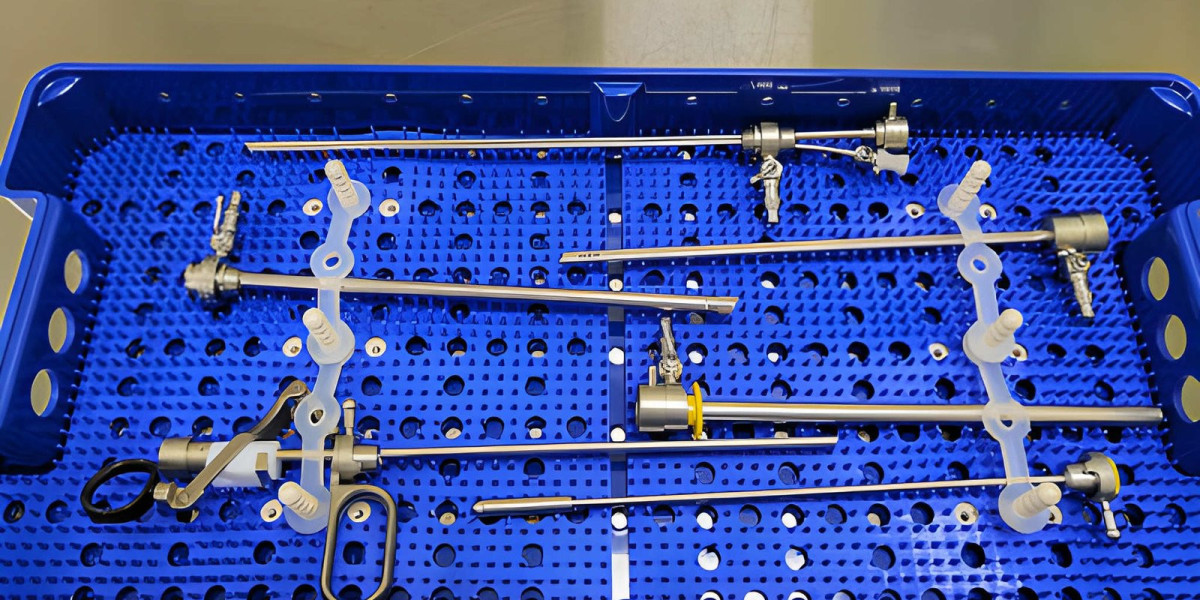

Healthcare systems worldwide have experienced significant transformation due to continuous advancements in medical technology. Among the most notable developments is the growing adoption of Minimally Invasive Surgical Devices, which have reshaped how surgical procedures are conducted. Instead of relying on large incisions used in conventional surgeries, these devices allow physicians to operate through very small entry points. This approach reduces trauma to the body, lowers pain levels, minimizes visible scarring, and speeds up the healing process. Hospitals and surgical centers are increasingly embracing these techniques because they improve patient outcomes and shorten hospitalization periods. Additionally, the rising burden of chronic diseases, along with rapid advancements in imaging and surgical technology, is further fueling the demand for minimally invasive procedures.
The Evolution of Minimally Invasive Surgical Techniques
The concept of minimally invasive surgery was developed to address the challenges associated with traditional open surgeries. Historically, large surgical incisions were required to access internal organs, which often resulted in extended recovery times and a higher risk of complications. As medical technology progressed, surgeons began adopting innovative techniques that allowed them to perform procedures with less disruption to surrounding tissues.
The introduction of laparoscopy marked a major milestone in surgical innovation. By using miniature cameras and slender instruments inserted through small incisions, surgeons could visualize internal organs and perform precise procedures. Over time, these technologies evolved to include advanced robotic systems and high-definition imaging tools that improved accuracy and control. Today, minimally invasive methods are widely used in various specialties such as cardiology, orthopedics, gynecology, urology, and gastrointestinal surgery, reflecting their growing importance in modern healthcare.
How the Technology Functions
The effectiveness of modern surgical procedures largely depends on the Minimally Invasive Surgical Devices Mechanism, which combines precision instruments, advanced visualization systems, and controlled surgical movements. These devices typically include high-definition cameras, fiber-optic illumination systems, and specialized tools that are inserted through small incisions to perform procedures within the body. Surgeons rely on real-time images displayed on monitors to guide their movements with exceptional accuracy.
One of the most significant innovations in this field is robotic-assisted surgery. In these systems, surgeons operate robotic arms equipped with tiny instruments while seated at a control console. The system converts the surgeon’s hand motions into extremely precise movements inside the patient’s body. Additionally, advanced tools such as electrosurgical equipment, energy-based devices, and automated stapling systems support surgeons in performing delicate operations more efficiently and safely.
Benefits for Patients and Healthcare Systems
Minimally invasive surgical techniques provide a wide range of benefits for both patients and healthcare providers. Patients undergoing these procedures generally experience less postoperative pain, smaller scars, and significantly faster recovery times. The reduced physical impact of surgery also decreases the likelihood of complications such as infections or excessive blood loss.
For hospitals and healthcare organizations, minimally invasive procedures contribute to improved efficiency and cost management. Because patients recover more quickly, hospital stays are shorter, which helps healthcare facilities manage resources more effectively. The precision of modern surgical instruments also leads to better clinical outcomes and reduced rates of complications. As healthcare systems strive to enhance patient care while controlling expenses, minimally invasive techniques are becoming an increasingly valuable solution.
Competitive Landscape and Industry Participants
The rapid advancement of surgical technology has encouraged significant investment from global medical technology companies. Many Minimally Invasive Surgical Devices Companies are focusing on research and development to introduce innovative products that improve surgical accuracy and patient safety. These organizations aim to design devices that are more efficient, user-friendly, and adaptable to different types of procedures.
Industry leaders often collaborate with hospitals, academic institutions, and research organizations to refine surgical methods and develop next-generation technologies. Innovations such as robotic surgical platforms, intelligent imaging systems, and digitally integrated surgical instruments are transforming operating rooms around the world. As competition continues to grow, manufacturers are striving to deliver high-quality solutions that meet the evolving needs of healthcare professionals.
Applications in Multiple Medical Specialties
Minimally invasive techniques have become essential across many medical disciplines. In cardiovascular medicine, catheter-based interventions allow doctors to treat heart conditions without performing open-heart surgery. Orthopedic surgeons use arthroscopic tools to repair joints with minimal tissue disruption, while laparoscopic techniques are commonly used for abdominal procedures like gallbladder removal and hernia repair.
Similarly, gynecological surgeries such as hysterectomy and treatment for endometriosis benefit greatly from these modern techniques. In urology, robotic-assisted procedures are frequently used for kidney and prostate surgeries due to their superior precision. These diverse applications highlight how Minimally Invasive Surgical Devices Medical Devices are transforming the way healthcare professionals approach surgical treatment across multiple specialties.
Technological Advancements Shaping the Future
The future of minimally invasive surgery is expected to be driven by ongoing innovation in medical technology. Artificial intelligence and machine learning are being integrated into surgical platforms to assist surgeons by analyzing real-time data and providing decision support during procedures. Enhanced imaging technologies, including 3D visualization and augmented reality, are also helping surgeons achieve higher levels of precision.
Another promising trend is the continued miniaturization of surgical instruments, enabling procedures to become even less invasive. Researchers are also exploring flexible robotics and smart materials to develop surgical tools capable of navigating complex anatomical pathways. In addition, remote surgery supported by advanced communication networks may allow surgeons to perform procedures from distant locations, improving access to specialized care.
Conclusion
Minimally invasive surgical techniques represent one of the most significant advancements in contemporary medicine. By enabling precise procedures with reduced trauma and quicker recovery times, these innovations have fundamentally improved the surgical experience for both patients and healthcare providers. As technology continues to evolve, the integration of robotics, advanced imaging, and intelligent systems will further enhance the effectiveness and accessibility of surgical care worldwide.
Latest Reports by DelveInsight:
herpes zoster market | plasmodium vivax malaria market | pigment epithelial detachment market | surgical stapling devices market | adhd market | spinal implants market | spinal trauma devices market | surgical sealant market | fabry disease market | attention deficit hyperactivity disorder adhd market | b cell lymphomas market | cart pipeline | etanercept biosimilar insights | immune thrombocytopenia market | intratumoral cancer therapies market | joint reconstruction devices market | knee osteoarthiritis market | liver fibrosis market | muscle spasticity market | neurofibromatosis type 2 market | neuromyelitis optica spectrum disorder nmosd market | paroxysmal nocturnal hemoglobinuria market | postpartum depression market | prostate cancer market | recurrent herpes labialis market | sarcopenia market | sepsis market | spinal cord stimulator market | stress urinary incontinence market | surgical bleeding market | tcr therapy market | ureteroscope market | vascular access devices market | venous ulcer market | vitreoretinal surgery devices market | vulvovaginal candidiasis market | abdominal aortic aneurysm market | acute myeloid leukemia market | adeno associated viruses aav gene therapy market | adult t-cell leukemia market | adult t-cell leukemia-lymphoma epidemiology forecast | advanced liver cancer market | aids related kaposis sarcoma market | al amyloidosis market | alcoholic hepatitis market | alkaptonuria market | allergic contact dermatitis market | alpha thalassemia market | anastomosis device market
About DelveInsight
DelveInsight is a leading Business Consultant, and Market Research firm focused exclusively on life sciences. It supports Pharma companies by providing comprehensive end-to-end solutions to improve their performance. It also offers Healthcare Consulting Services, which benefits in market analysis to accelerate the business growth and overcome challenges with a practical approach.
Media Contact
Company Name: DelveInsight Business Research LLP
Contact Person: Abhishek kumar
Email: [email protected]
City: Albany
State: New York
Country: United States
Website: https://www.delveinsight.com